Schedule Now

What Makes a Healthcare Website Build Trust and Convert Patients
A strong healthcare website combines trust-building elements with a clear, user-friendly path to booking an appointment. Key features of healthcare website design include a strong first impression, transparent trust signals such as provider bios and patient reviews, easy-to-understand language, and simple calls to action. Together, these elements of healthcare website design transform an anxious visitor into a confident, booked patient.
Below, we’ll break down the elements that drive healthcare website conversion, from first impressions to booking flows, to help you turn more visitors into patients.
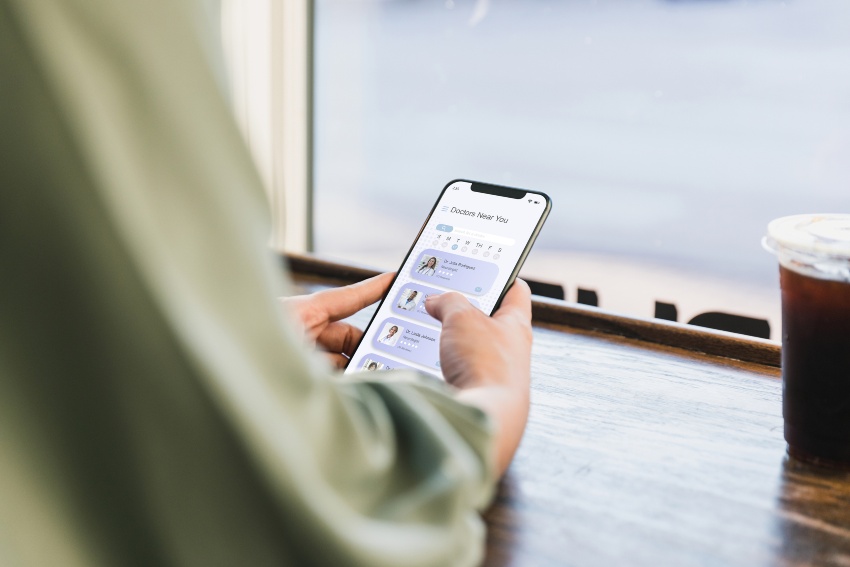
What Makes a Strong First Impression on a Healthcare Website?
A patient decides within seconds whether your site feels trustworthy. That snap judgment rests on three things: speed, clarity, and design that feels human rather than clinical.
Speed matters more than most practices realize. A one-second delay in page load can cut conversions by 7%, so your site should load in three seconds or less. Compress images, clean up code, and invest in reliable hosting.
Clarity comes next. Within moments of landing, a visitor should understand who you are, what you offer, and where to go. A clean layout with readable text and an obvious navigation path signals competence. Good healthcare UX design removes guesswork. When people feel oriented, they relax, and relaxed visitors are far more likely to act.
Trust Signals Patient Look for Before Taking Action
Patients are handing you their health, so they scan for reasons to believe you’re credible. The most effective trust signals are simple and concrete:
- Provider Photos and Bios – Introduce your team as real people, not faceless names.
- Professional Affiliations – Incorporate logos of medical associations you belong to.
- Security Badges – Include an SSL certificate (https), especially if you collect patient information online.
- Clear Contact Details and Locations – Make sure visitors know you’re legitimate and reachable.
Content That Educates and Simplifies Decisions
Confused patients don’t convert. They leave. Content on a high-performing healthcare website does the opposite: it answers questions before they’re asked and makes complex choices feel manageable. Write in plain language that respects every level of health literacy. Prioritize the pages patients actually search for, such as services, providers, locations, and insurance accepted, and structure each one around a real user need.
Social Proof That Drives Patient Confidence
Few things reassure a nervous patient like hearing from other patients. Social proof tells visitors that real people trusted you and were glad they did.
The impact is measurable. Displaying testimonials and star ratings prominently can increase conversion rates by over 270%. That’s a remarkable return for content you may already have sitting in emails and review platforms.
To make social proof work, feature patient testimonials and reviews where decisions happen, such as on service pages and near booking buttons. Additionally, display star ratings from trusted platforms and keep reviews up to date, as fresh feedback feels more credible than dated praise.
How Clear CTAs Can Guide Patients to Take Action
A call-to-action (CTA) is the signpost that tells a visitor exactly what to do next. Without strong CTAs, even an informative site leaves people wandering.
Effective CTAs share a few traits. They use action-oriented language, such as “book your appointment now,” “schedule a free consultation,” or “call us today,” rather than vague phrases such as “learn more.” CTAs also appear where decisions are made: at the top of the homepage, on every service page, and at the end of helpful content.
That said, balance matters. CTAs are too often buried, inconsistent, or overly aggressive. Friendly, well-placed prompts such as “find care near you” guide patients without pressuring them.
Seamless & Hassle-Free Appointment Booking Experience
You can win a patient’s trust and still lose the booking if the final step feels like work. Every extra click, form field, or moment of confusion is a chance for someone to give up and leave your site. Here’s how to streamline the path to a booked appointment:
- Shorten Your Forms – For an initial inquiry, a name, email, and phone number are often sufficient.
- Offer Multiple Contact Options – Include a phone number, a simple form, and live chat for immediate questions.
- Enable Online Scheduling – Allow patients to book directly on your site, day or night, without phone tag.
How Personalization Makes Patients Feel Understood and Valued
Personalization signals that your practice sees patients as individuals, not traffic. Done responsibly, it tailors the experience to where someone is in their journey.
Use behavior-based personalization to adapt content or CTAs based on general signals such as device type, location, or referral source. For example, a visitor who downloads a financing guide might appreciate a follow-up with related resources, while a referring provider can be routed straight to a contact form.
Choose this approach if delivering a relevant, segmented experience matters more than keeping every page identical for every visitor. However, keep privacy front and center: personalization should improve clarity and connection, not compromise sensitive data. For anything touching compliance, consult your legal team or a healthcare compliance specialist.
Frequently Asked Questions
How Important Is Mobile Design for a Clinic Website?
More than 50% of website traffic comes from mobile devices, so a mobile-first approach with tap-friendly buttons, readable text, and simple navigation is essential for a clinic website design that converts.
Do Patient Reviews Really Affect Conversions?
Yes. Prominently displaying testimonials and star ratings can increase conversion rates by over 270%. Reviews provide social proof that reassures nervous patients and supports their decision to book.
How Do I Know if My Healthcare Website Is Working?
Track metrics such as conversion rate, bounce rate, pages per session, and average session duration using tools like Google Analytics. A/B testing CTAs, headlines, and layouts helps you make data-backed improvements over time.
Transform Your Website Into Your Best Front Desk
The strongest healthcare websites combine fast load times, clear structure, honest trust signals, plain-language content, social proof, confident CTAs, and effortless booking. Each element reassures patients emotionally while guiding them practically toward the next step.
Start with one area. Audit your load speed, add provider bios, or simplify your booking form, then measure the difference. Small, intentional changes to your medical website design compound into more booked appointments. If you need assistance implementing these elements in California, contact Precision Healthcare Marketing today. We’ll help you build a website that not only looks great but also converts visitors into patients.